Complex systems.
Clear strategy.
Real execution.
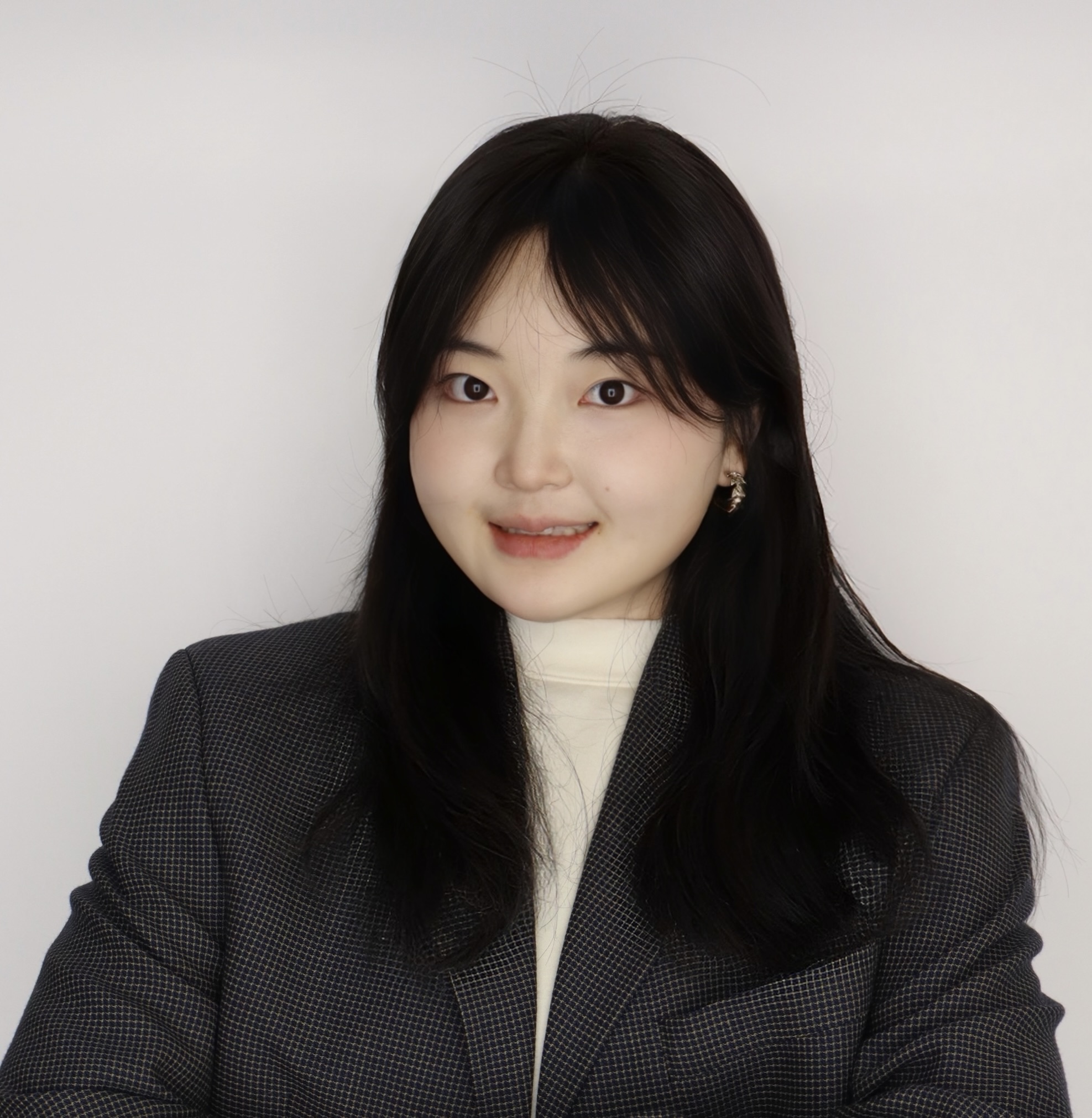
I work where ideas become infrastructure — building ecosystems in Web3 and AI, translating ambiguity into strategy, and connecting people who should already know each other.
What I Do
I build communities that actually do things.
Not just audiences — operational networks. I connect students with industry, ideas with capital, and builders with each other. At NYU Blockchain Lab, I turned a student org into a recognized node in NYC's digital assets ecosystem.
I operate well in undefined environments.
Given ambiguity, I build structure. Given structure, I find the gaps. As Chief of Staff at a DeFi protocol, I translated product mechanics into market narrative — and made sure the execution matched the vision.
I make complex things legible without losing precision.
Research on ETF-era Bitcoin. GTM for yield protocols. Content that treats the audience as intelligent. The skill isn't simplification — it's finding the right level of resolution for the right room.
Selected Work
A student org that needed to become a real player in NYC's digital assets scene.
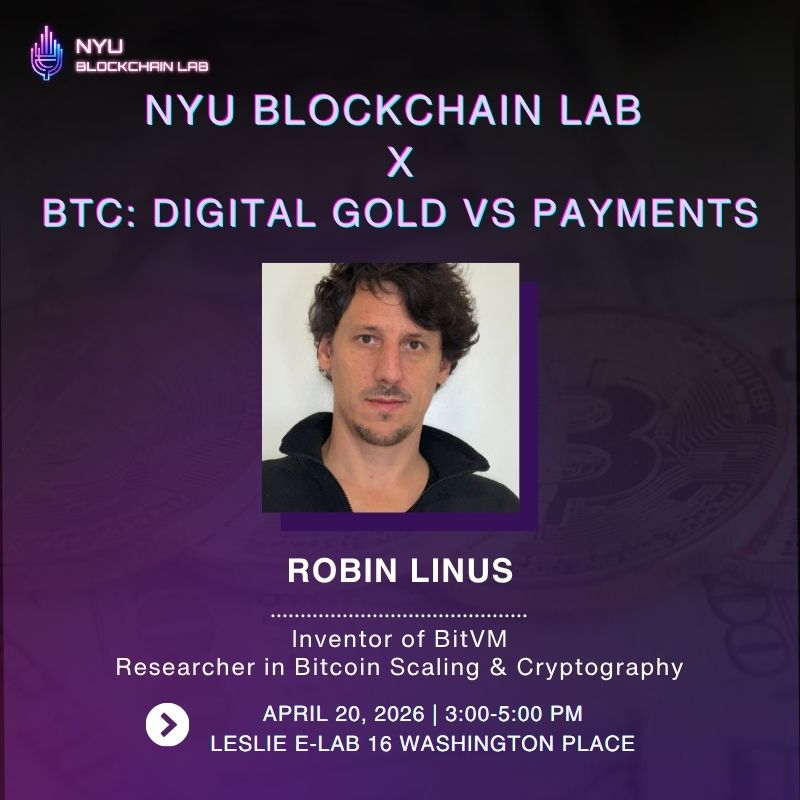
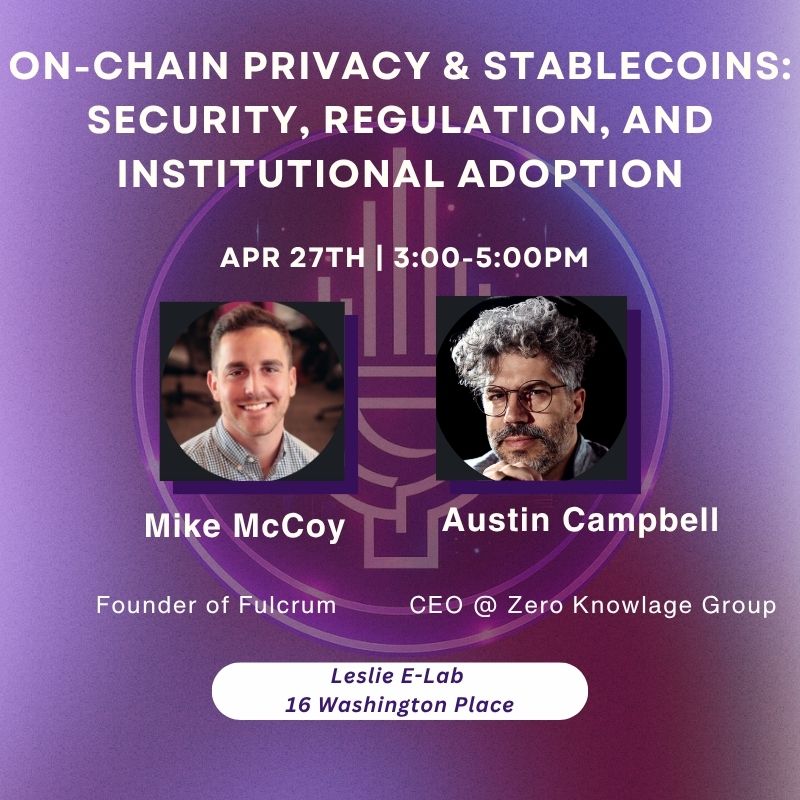
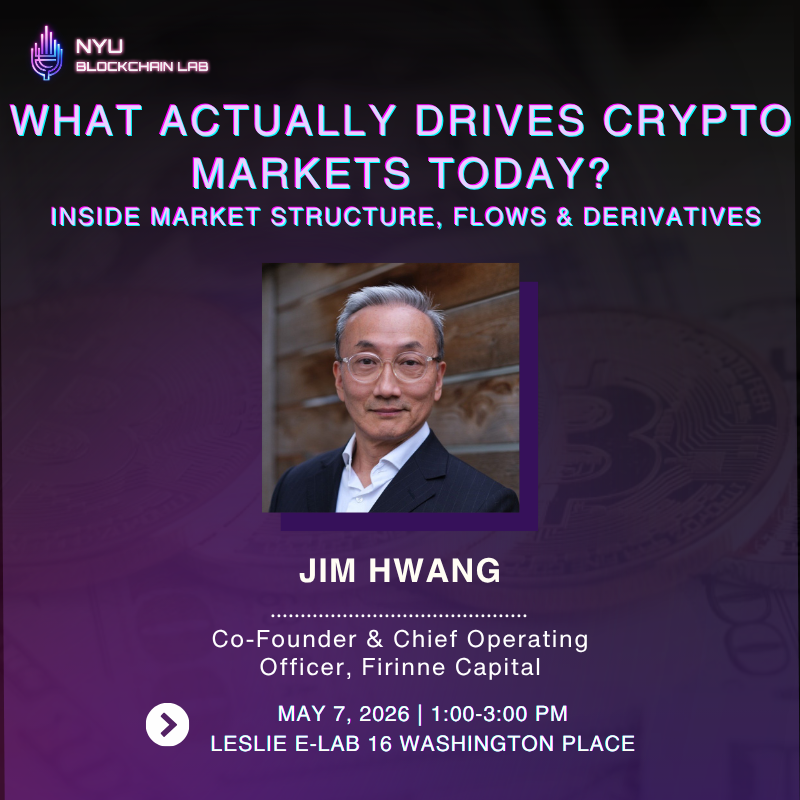
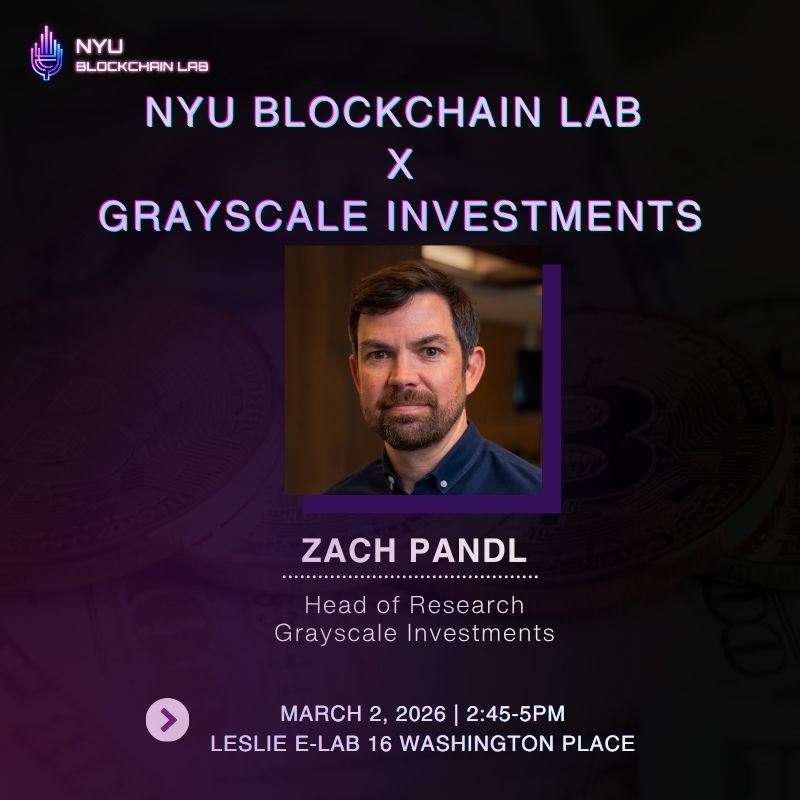
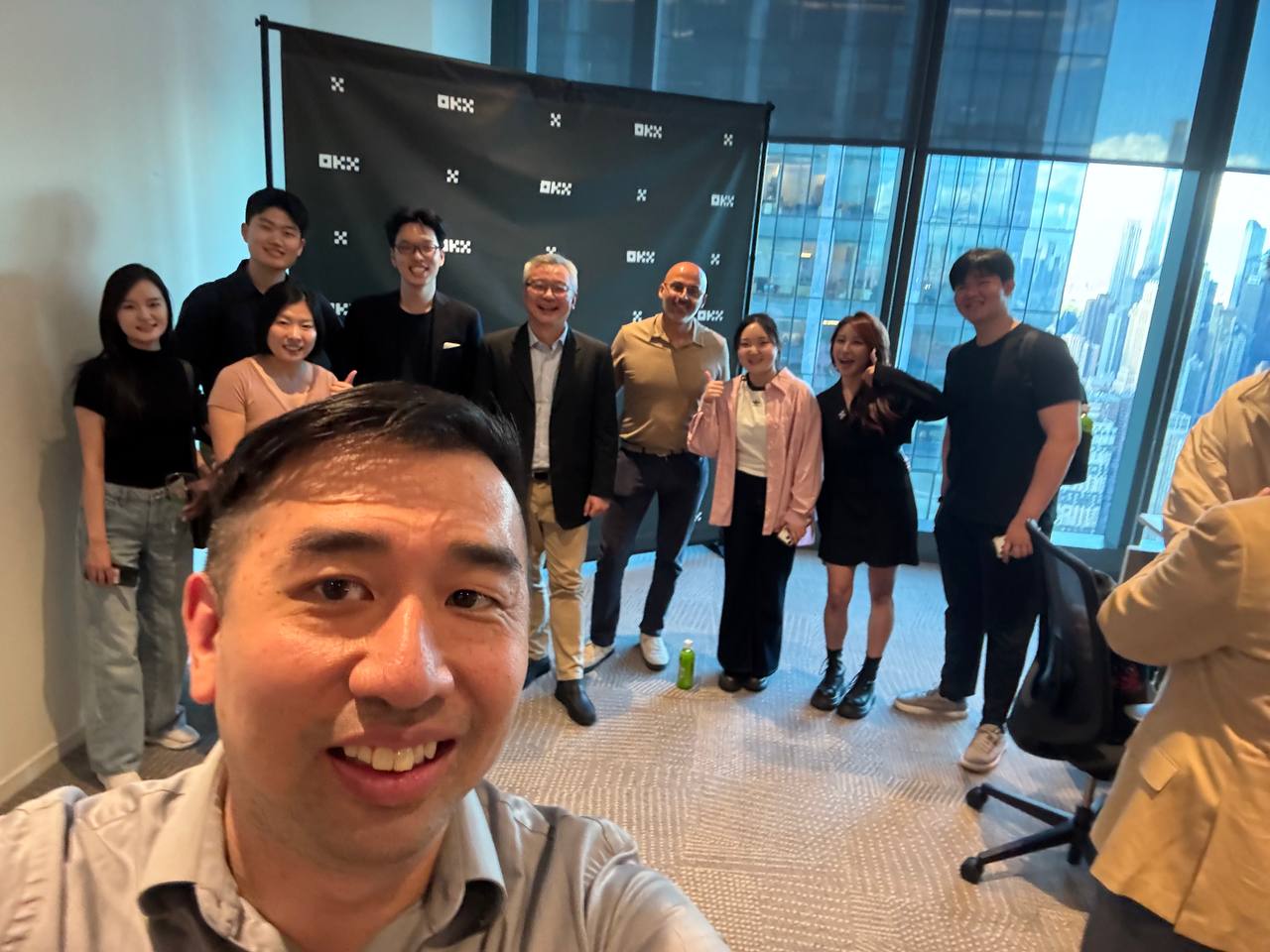
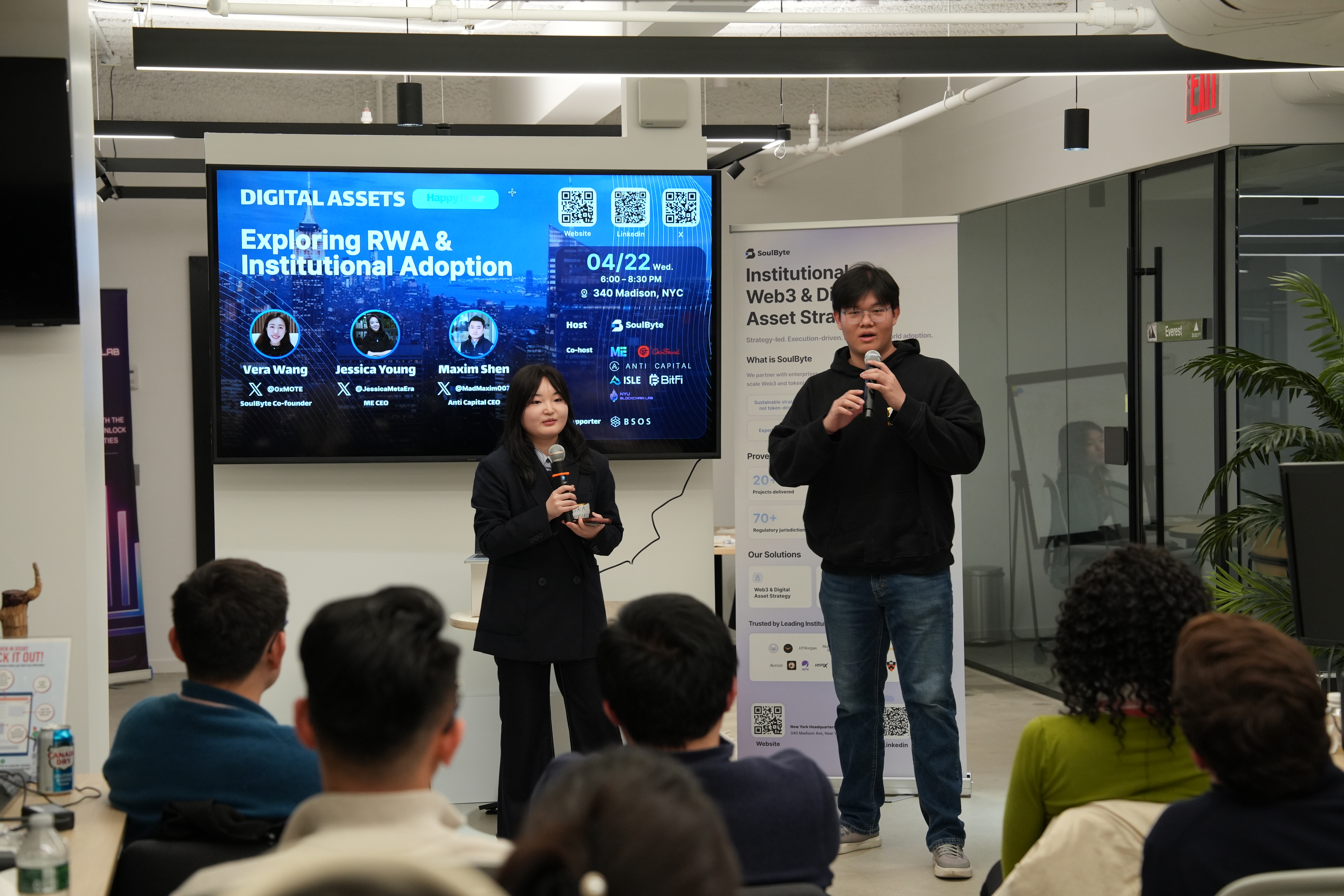
Built the operating system from scratch — speaker sourcing, event execution, multichannel promotion. Secured partnerships with BNB Chain, OKX, and Solana. Moderated panels with founders, VCs, and protocol leads. Grew and managed a 250+ member Telegram community. Led 20+ events across panels, workshops, office visits, and hackathons.
A DeFi yield protocol with strong mechanics but a gap between what it does and what users understand.
Designed the go-to-market messaging framework — translating complex yield strategy into user-facing and market-facing narratives. Synthesized market feedback to inform product communication. Supported founder storytelling to build user trust and clarify the product's position in a crowded DeFi landscape.
An open question: does the Bitcoin halving still matter in a world with ETFs and institutional participation?
Used event-time analysis and Newey-West adjusted regressions on weekly return data to test whether post-halving return patterns persisted in 2024. Finding: they didn't — meaningfully muted compared to prior cycles, suggesting the market had already priced the supply shock earlier. Also authored a broader paper on stablecoins, RWAs, and the institutional adoption of digital assets.
A Debt Capital Markets team running daily macro and fixed-income analysis manually across China and U.S. markets.
Built an AI-assisted monitoring workflow and automated dashboards for yields, spreads, and market news — cutting data errors by 90% and improving research efficiency by 60%. Supported bond pricing and issuance analysis through comparable screening and market commentary.
An investment team running quantitative and fundamental equity analysis across Chinese markets.
Authored an investment thesis on Eoptolink — a leading optical module firm in CPO applications — combining top-down industry analysis with bottom-up DCF and peer benchmarking. Recommended a long position. It returned 135%.
Education
Events I've Led
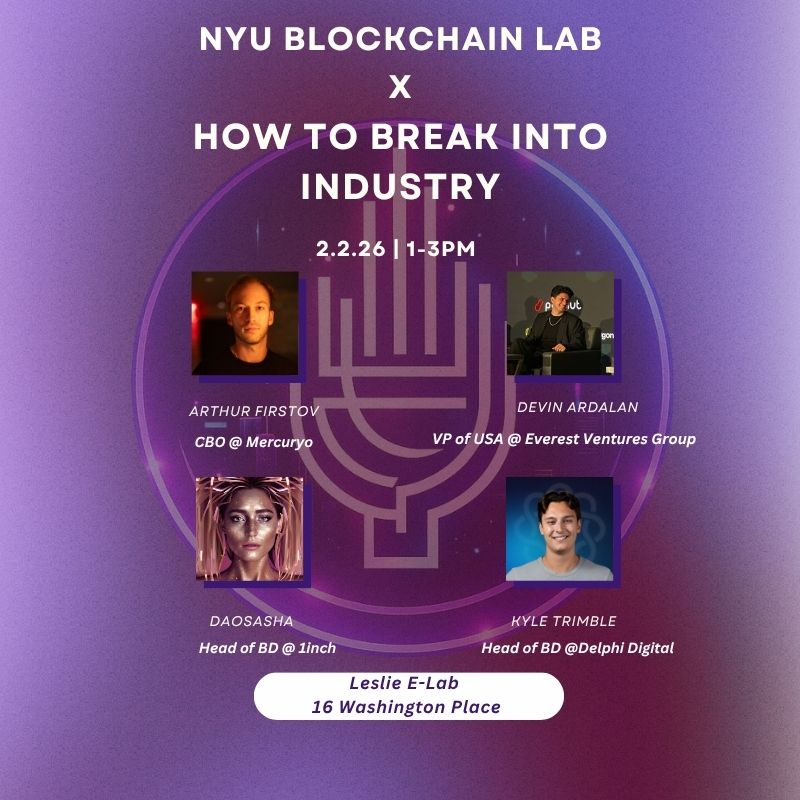
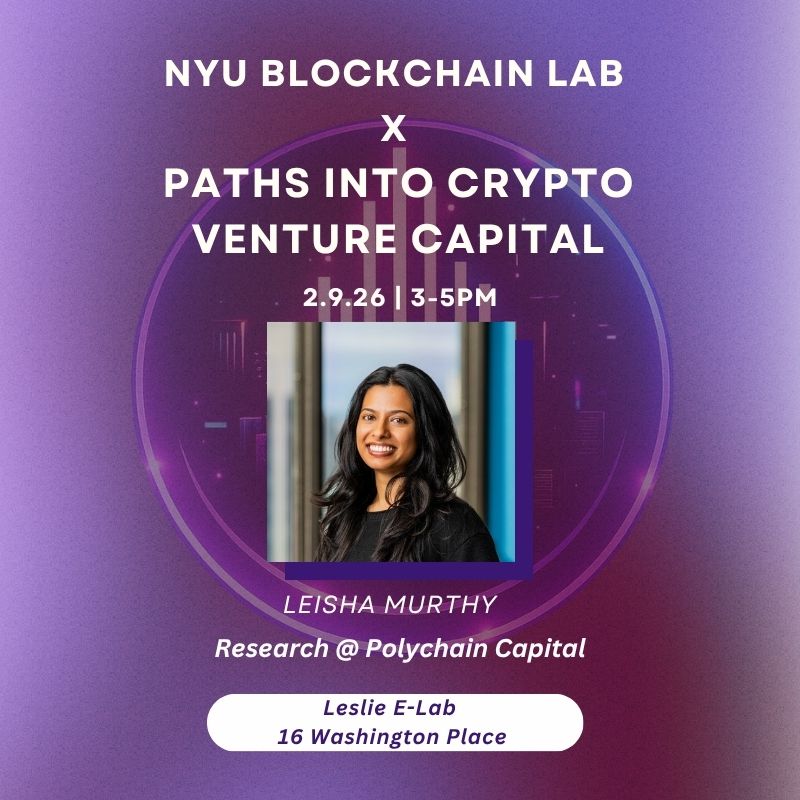
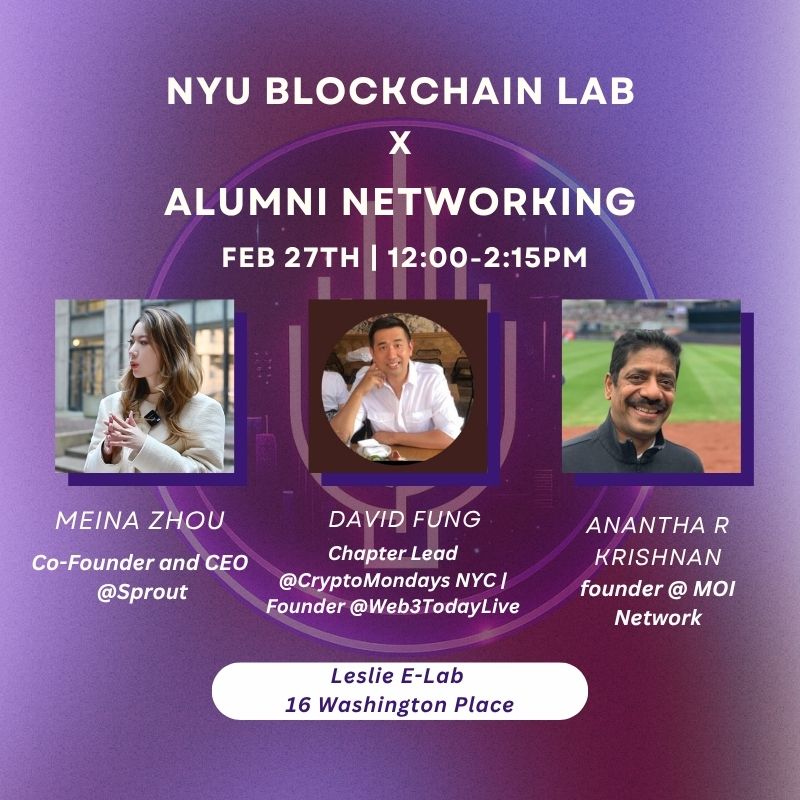
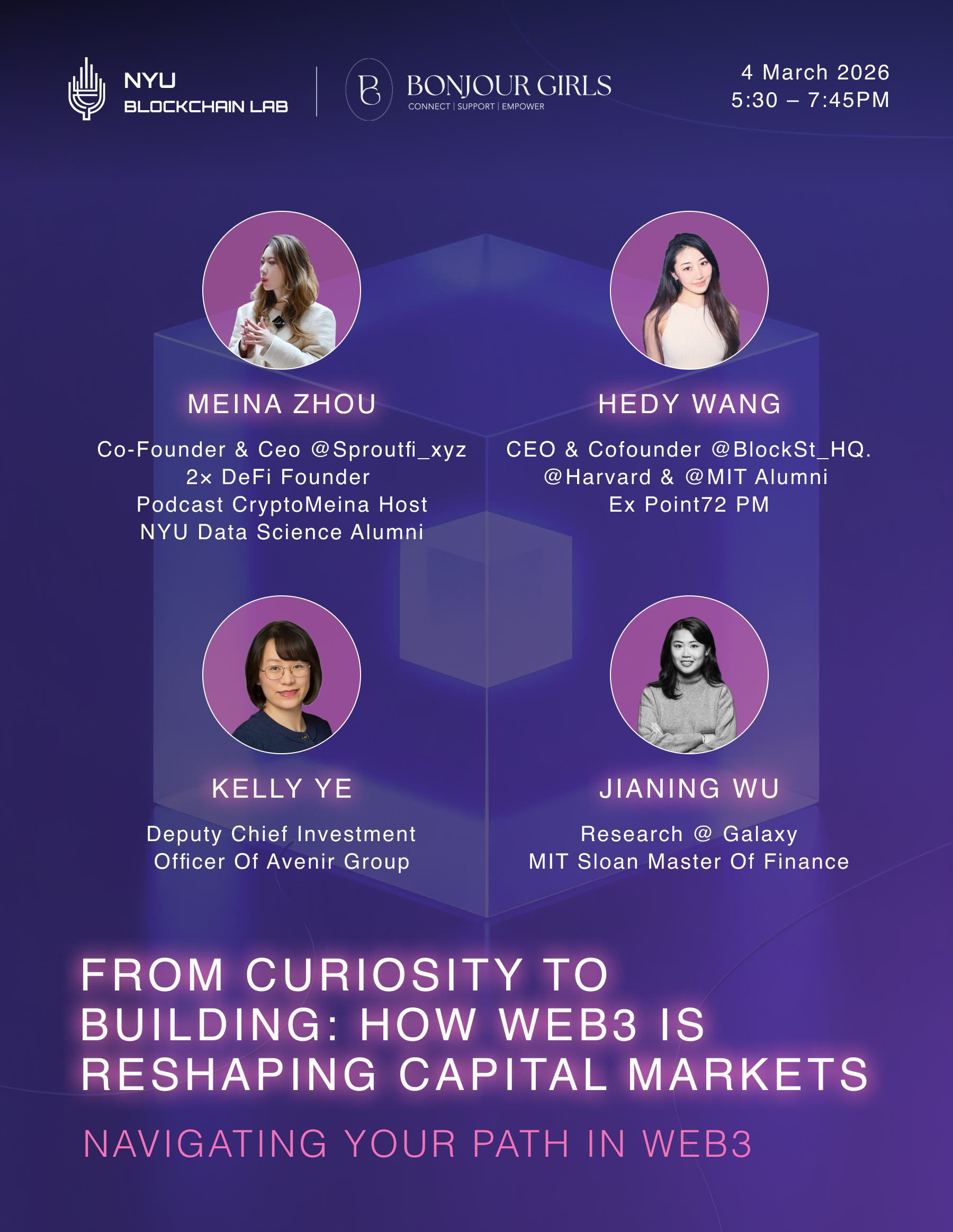
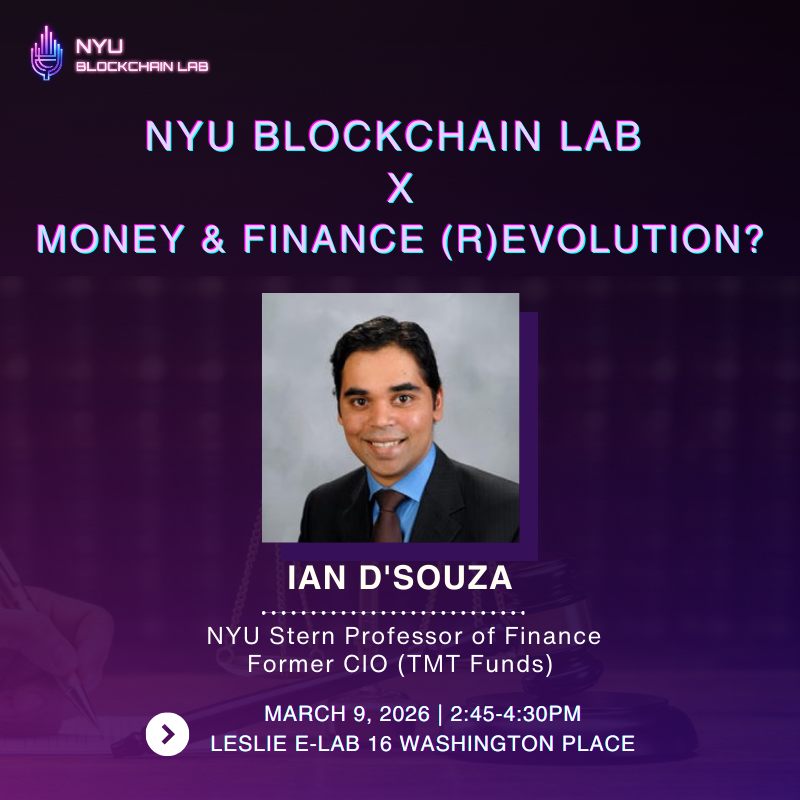
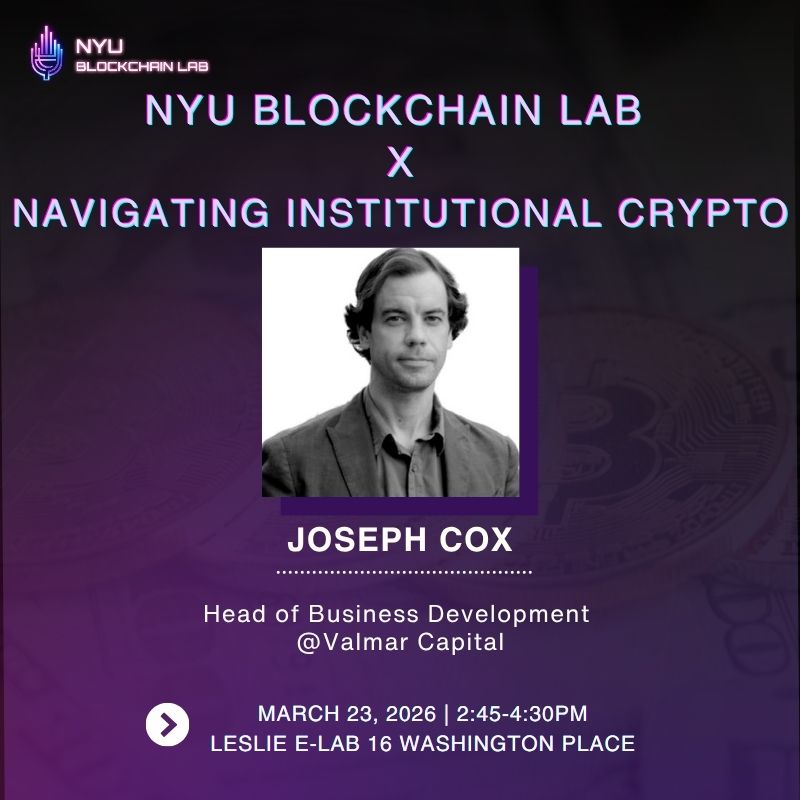
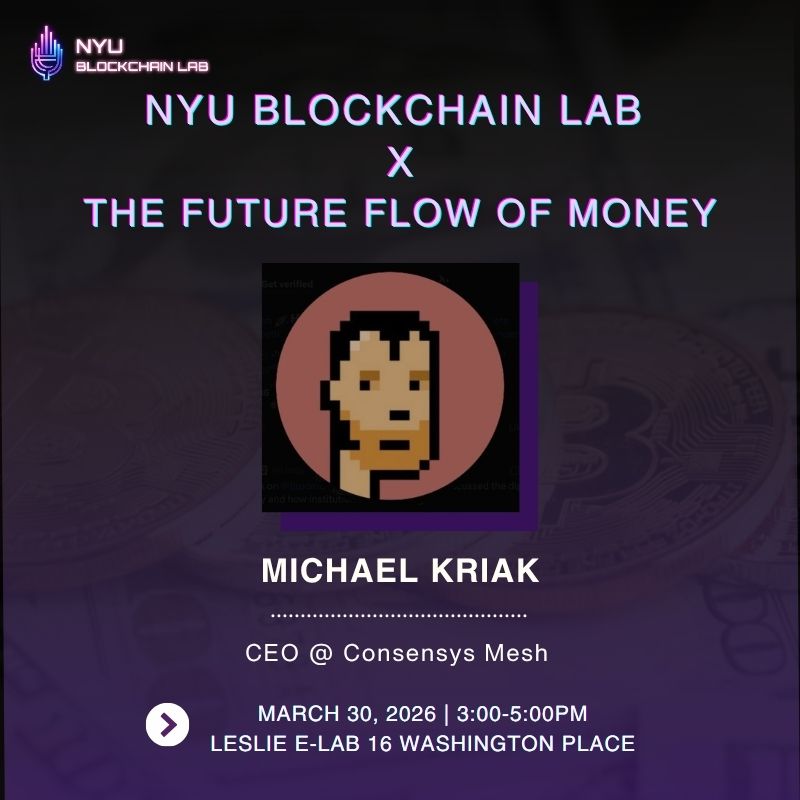
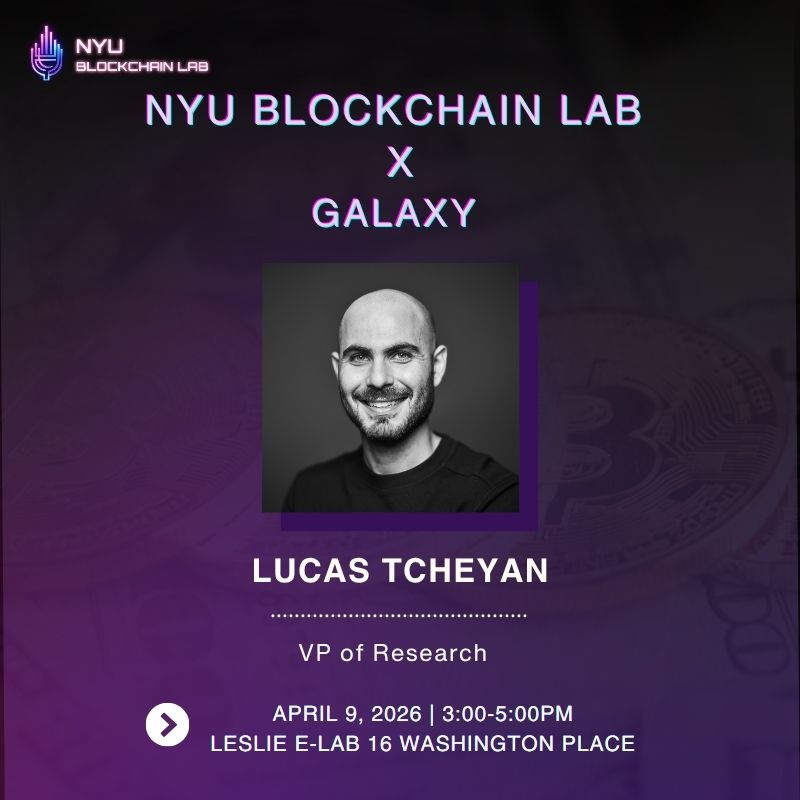
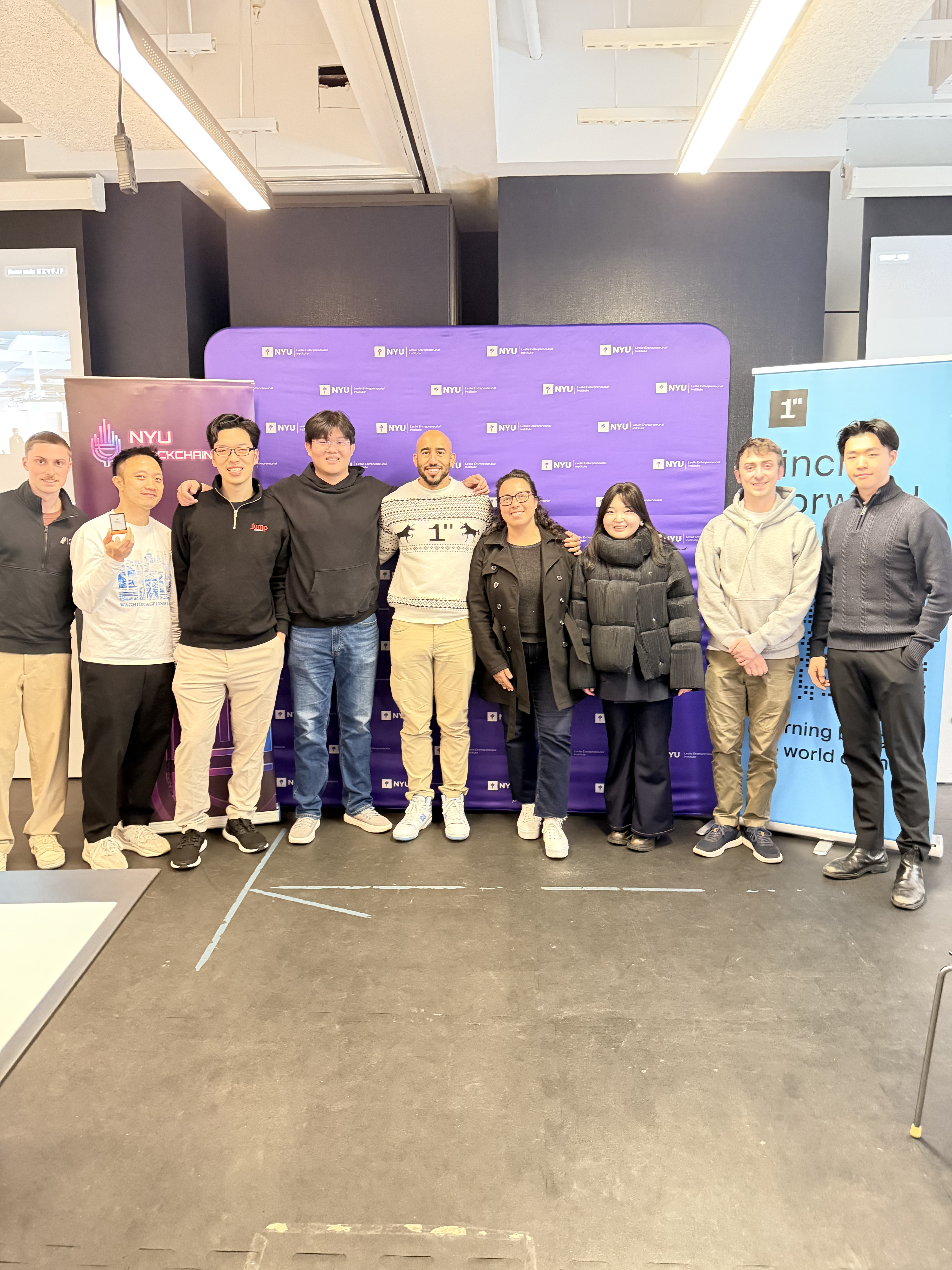
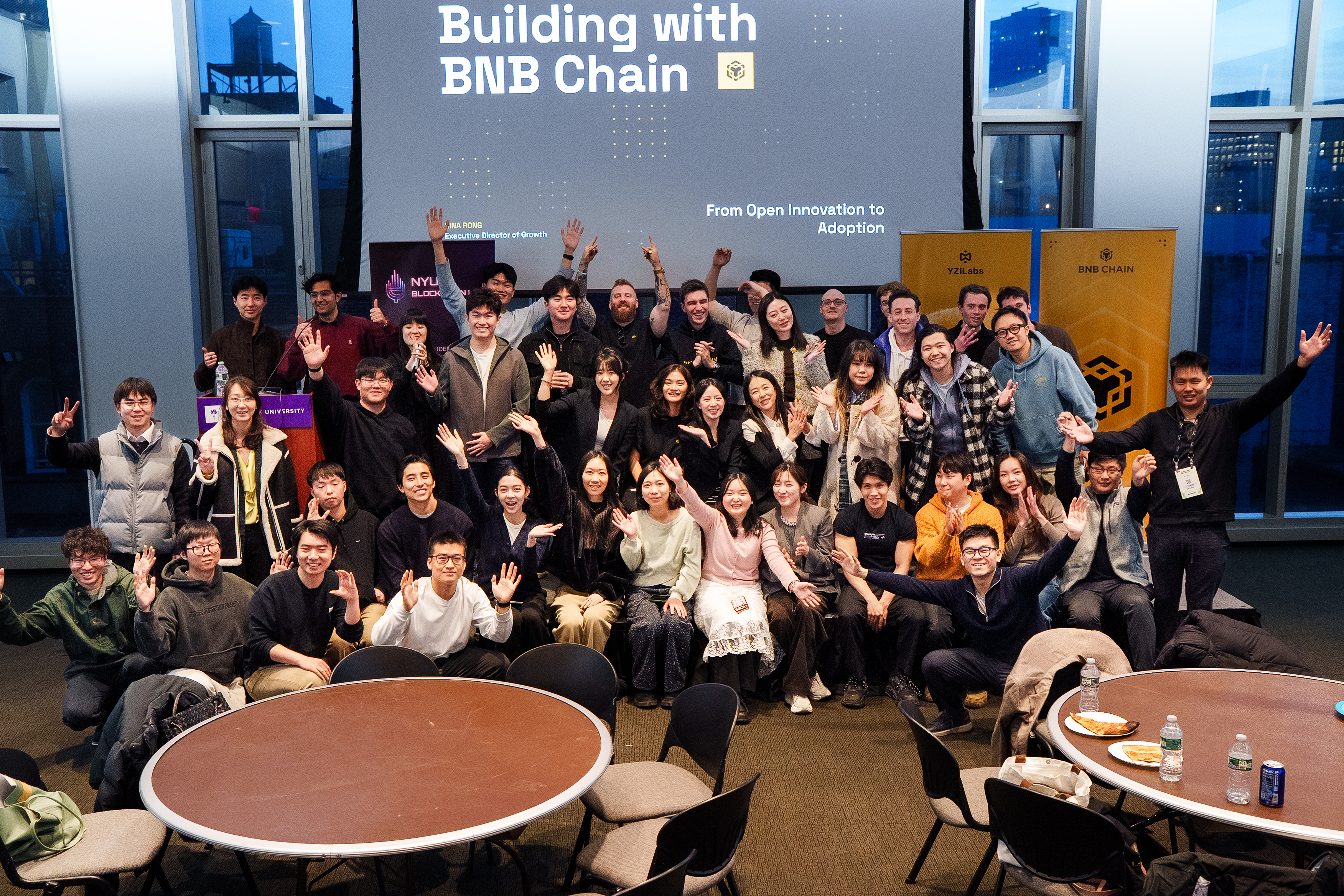
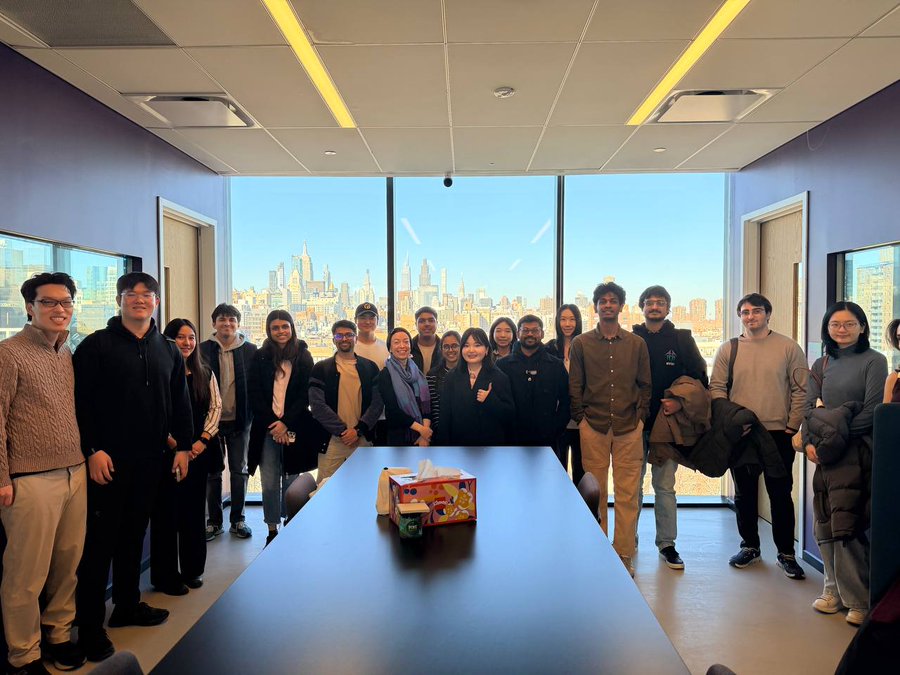
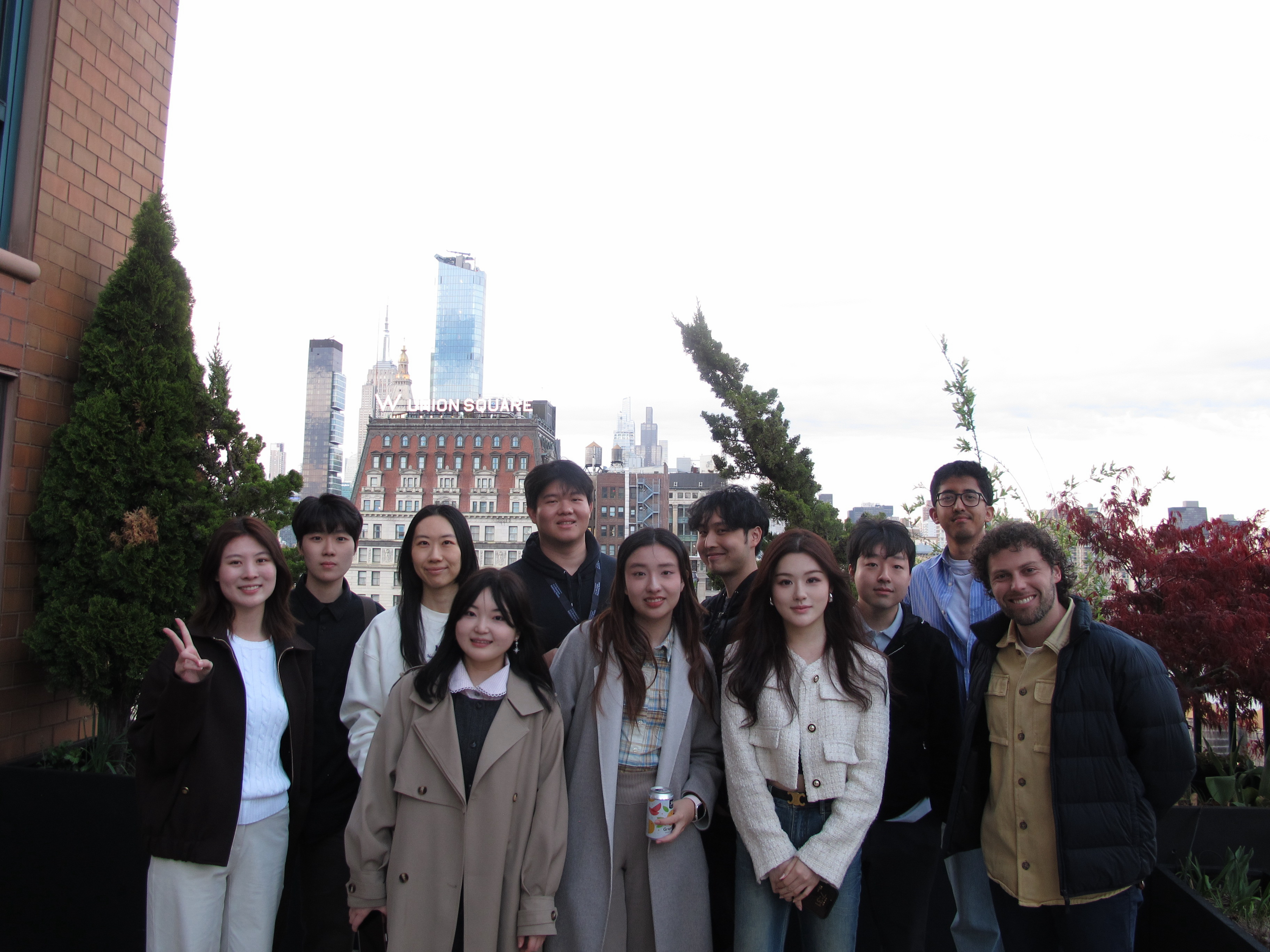
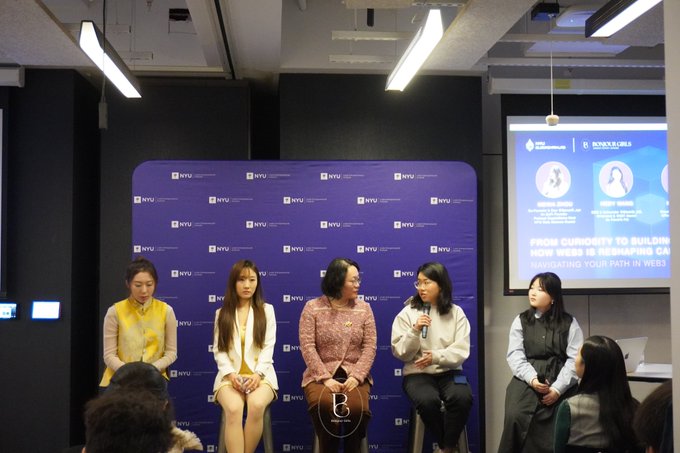
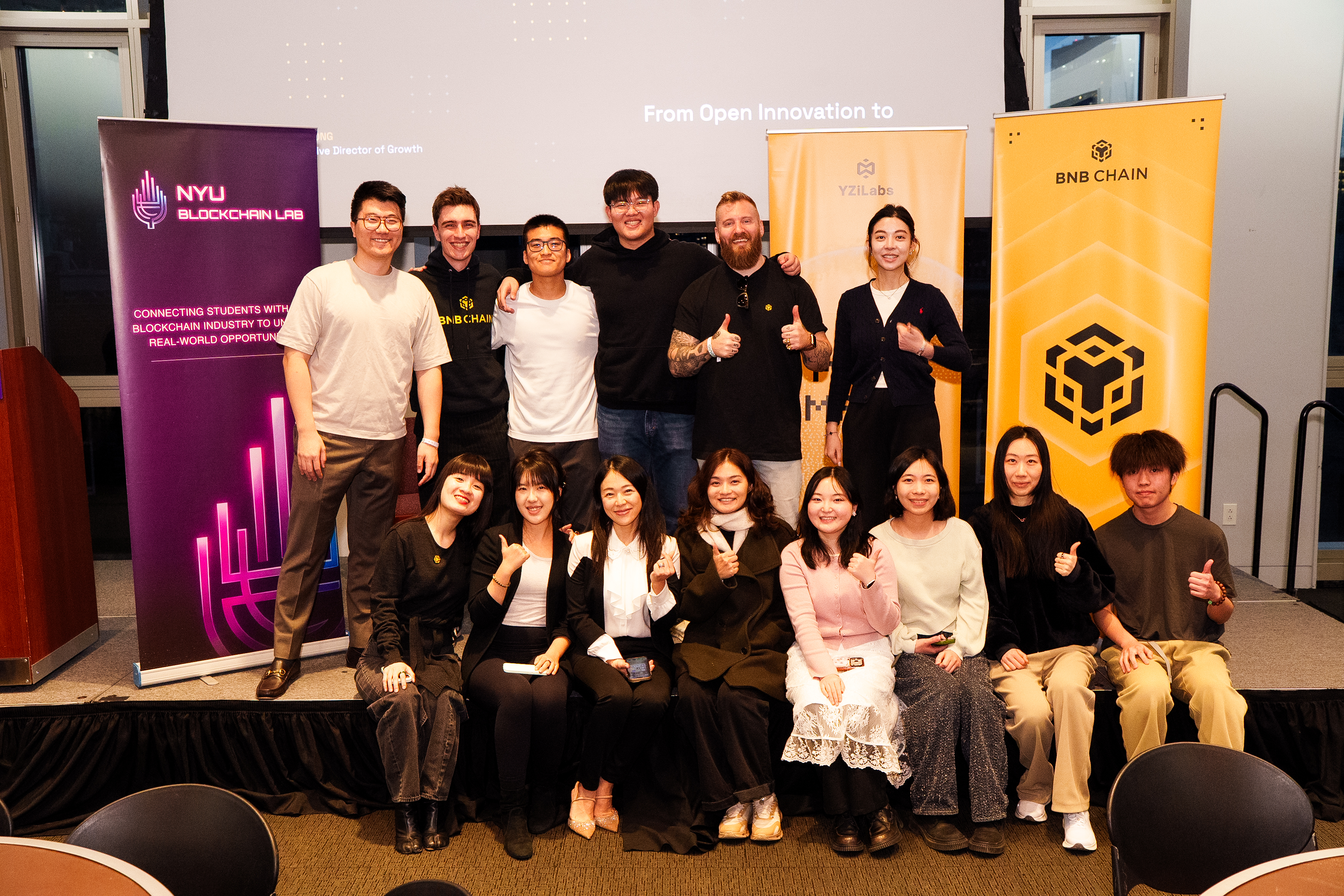
Every event below was organized, executed, and often moderated by me — not just attended. This is what ecosystem building looks like in practice: finding the right people, getting them in the same room, and making the conversation worth having.
How I Think
Most people wait for clarity before they act. I've learned that clarity is often the output of action, not its precondition. In ambiguous systems — early-stage protocols, new markets, undefined roles — the people who move first learn fastest. The goal isn't to eliminate risk. It's to make better bets with incomplete information.
These aren't just technologies. They're new coordination systems. Web3 is rebuilding how value flows between people. AI is rebuilding how information gets processed. The interesting work isn't in the tech itself — it's in the gap between what these systems can do and what the world is still organized to receive.
The best builders I've met aren't the loudest. They're the ones who understand the system they're working inside — its incentives, its friction points, its unspoken rules — and then find the place where effort compounds. My background in economics isn't academic decoration. It's how I read rooms, markets, and organizations.
I don't see them as opposites. TradFi trained me to think in flows, risk, and structure. DeFi showed me what those same things look like when the middlemen are optional. The real opportunity is at the seam — for people who understand both languages and can speak to both rooms.
In the Room
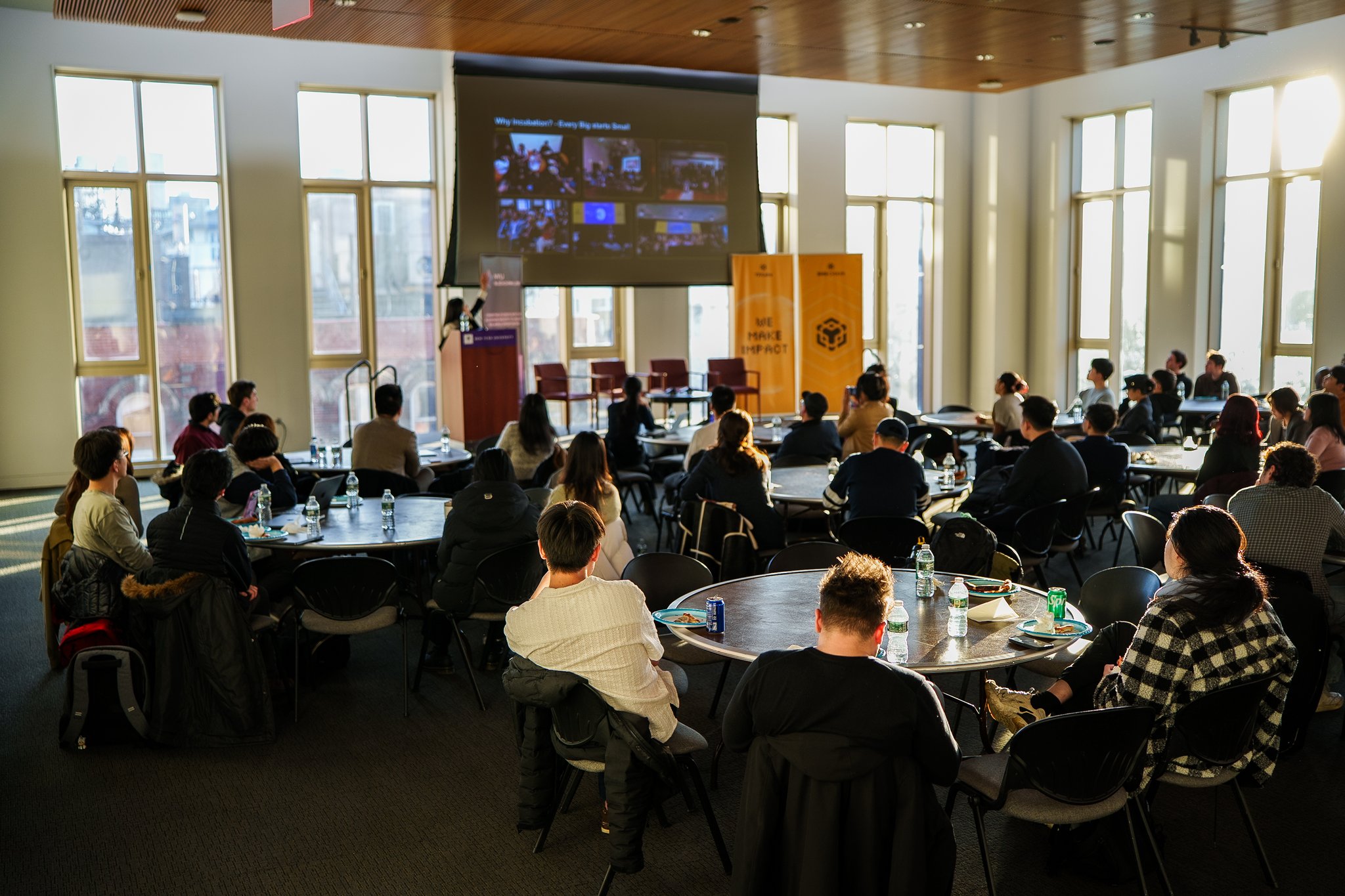
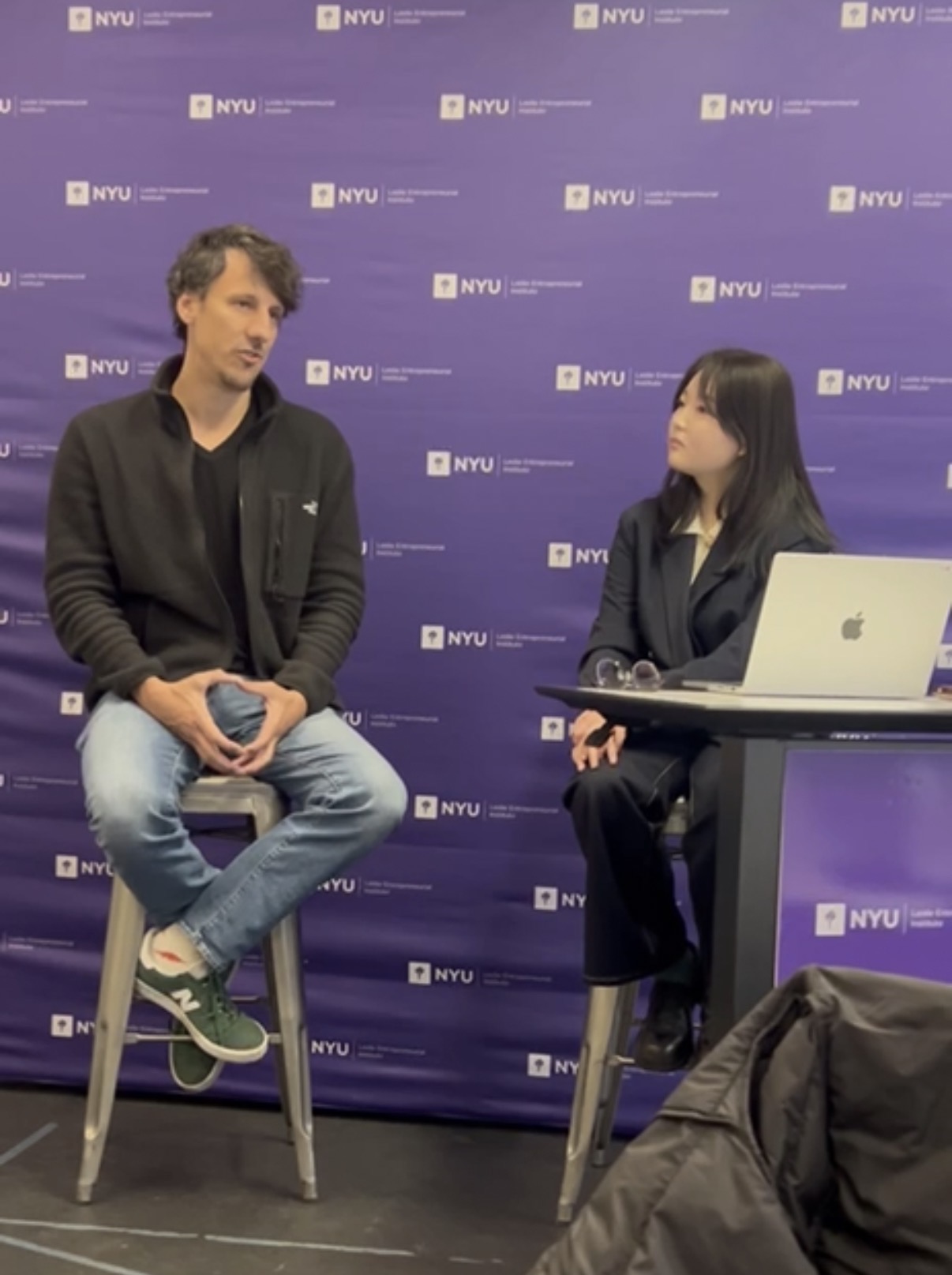
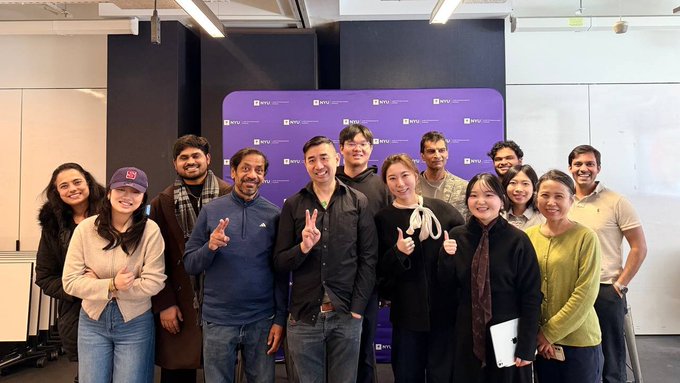
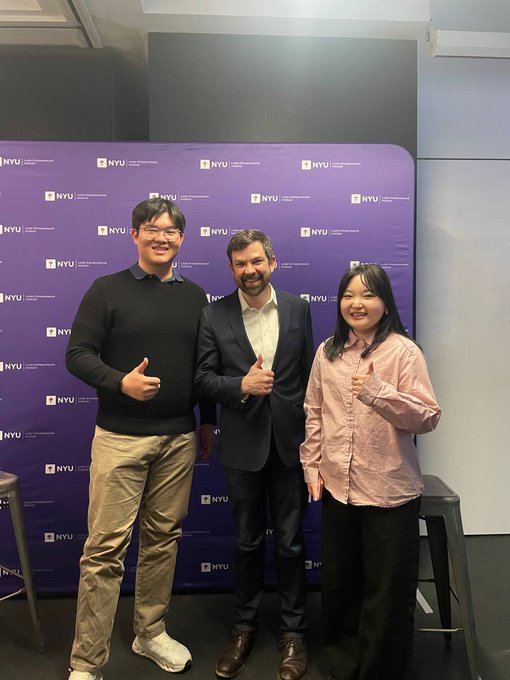
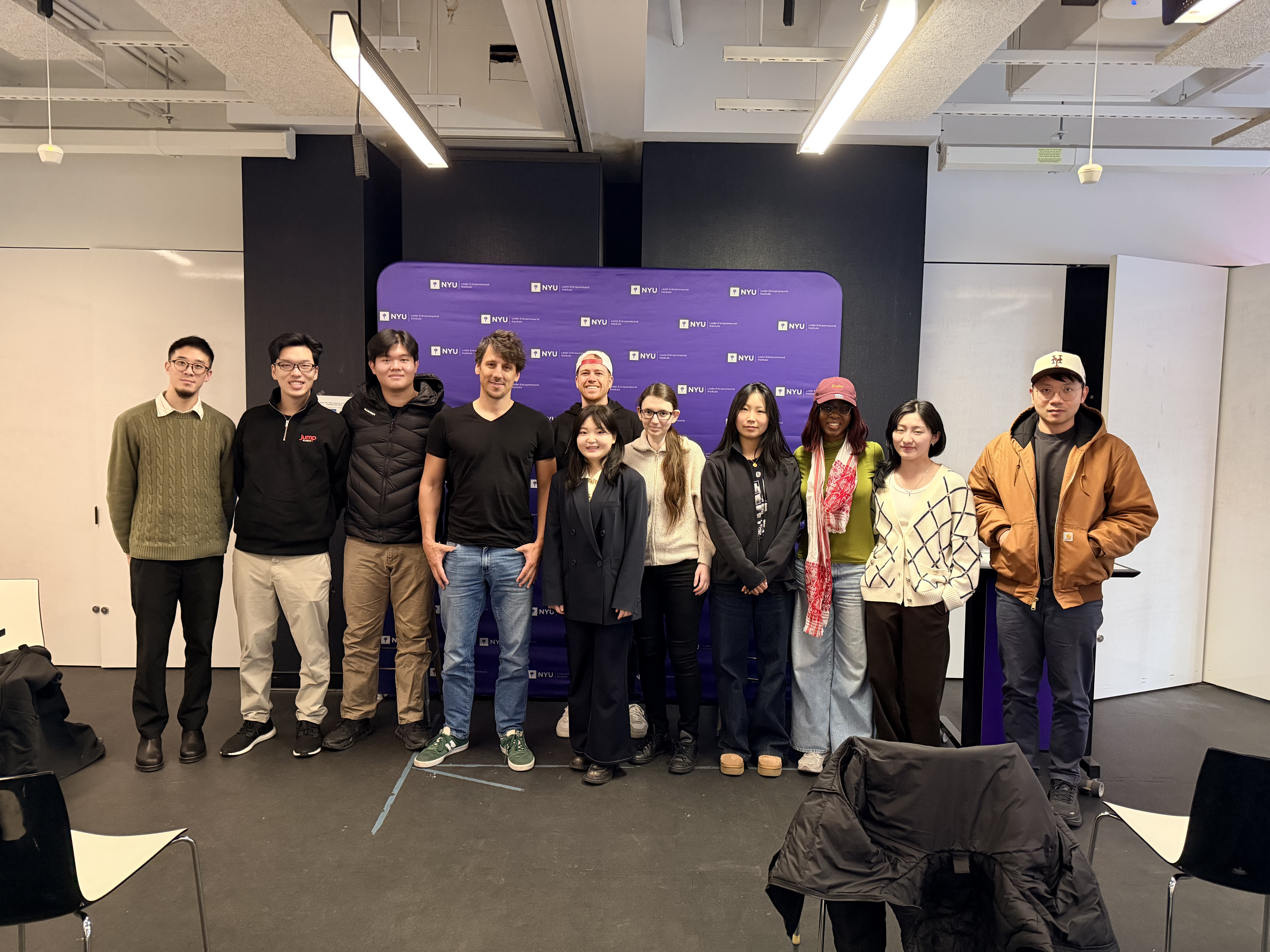
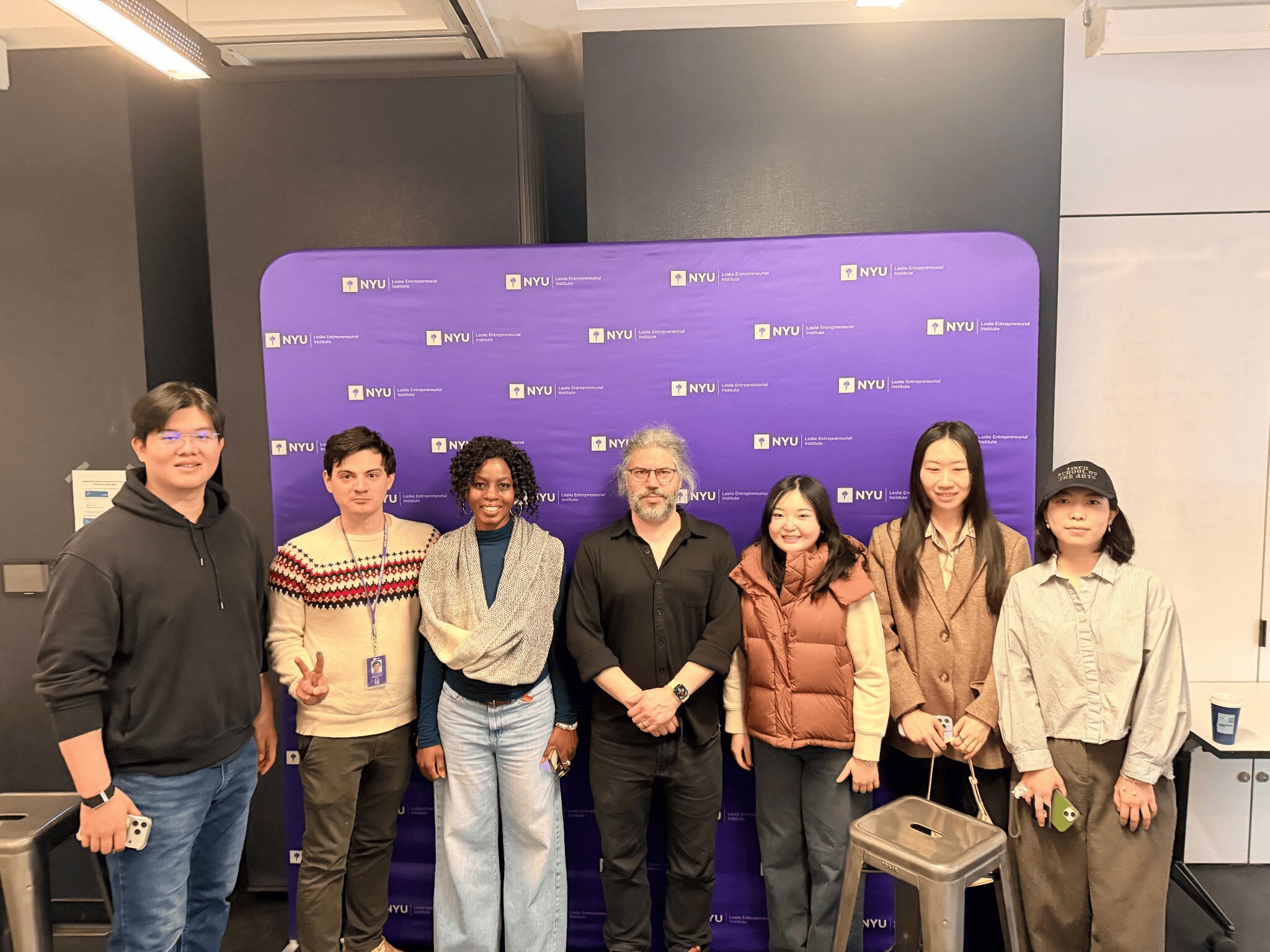
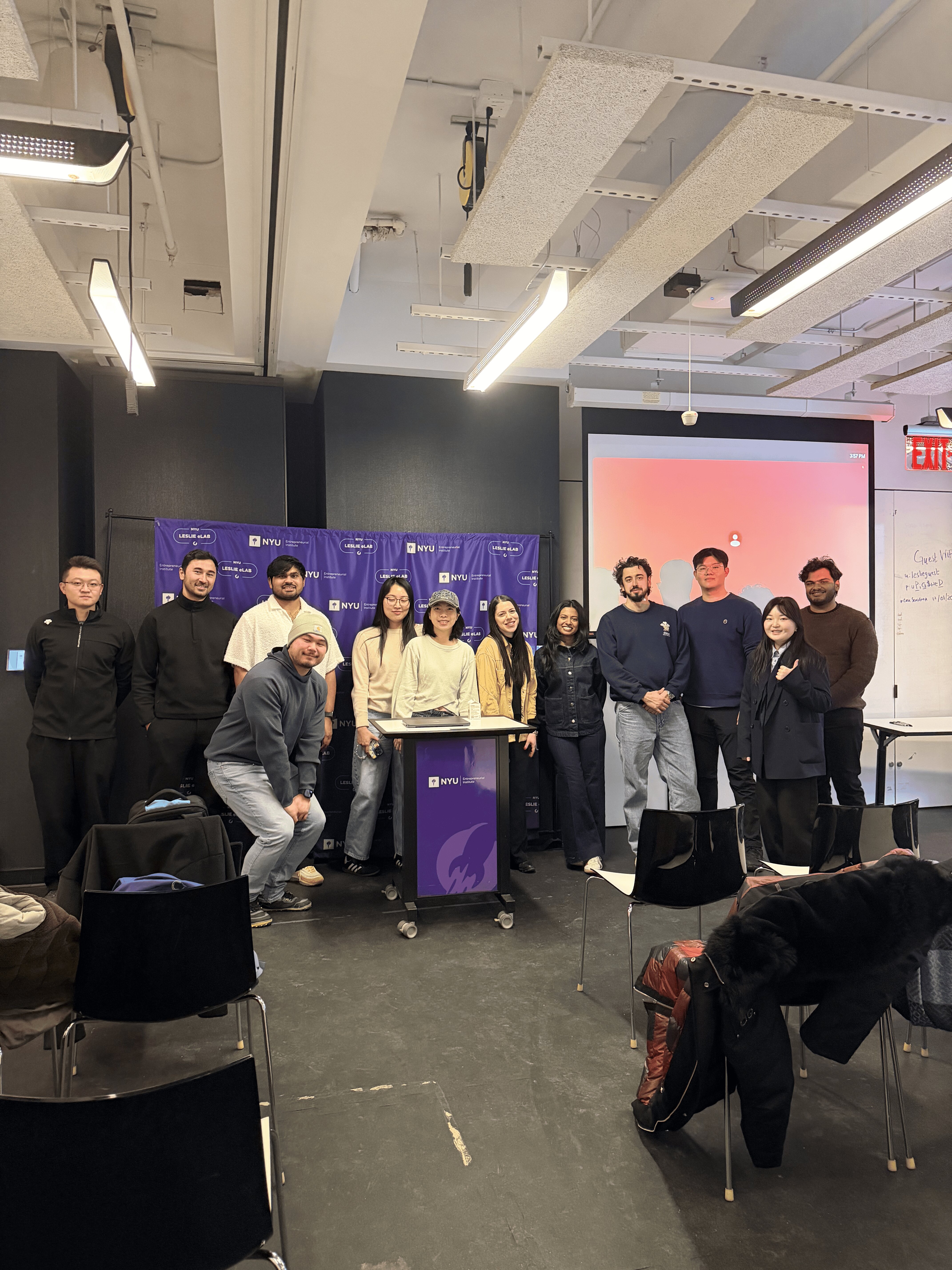
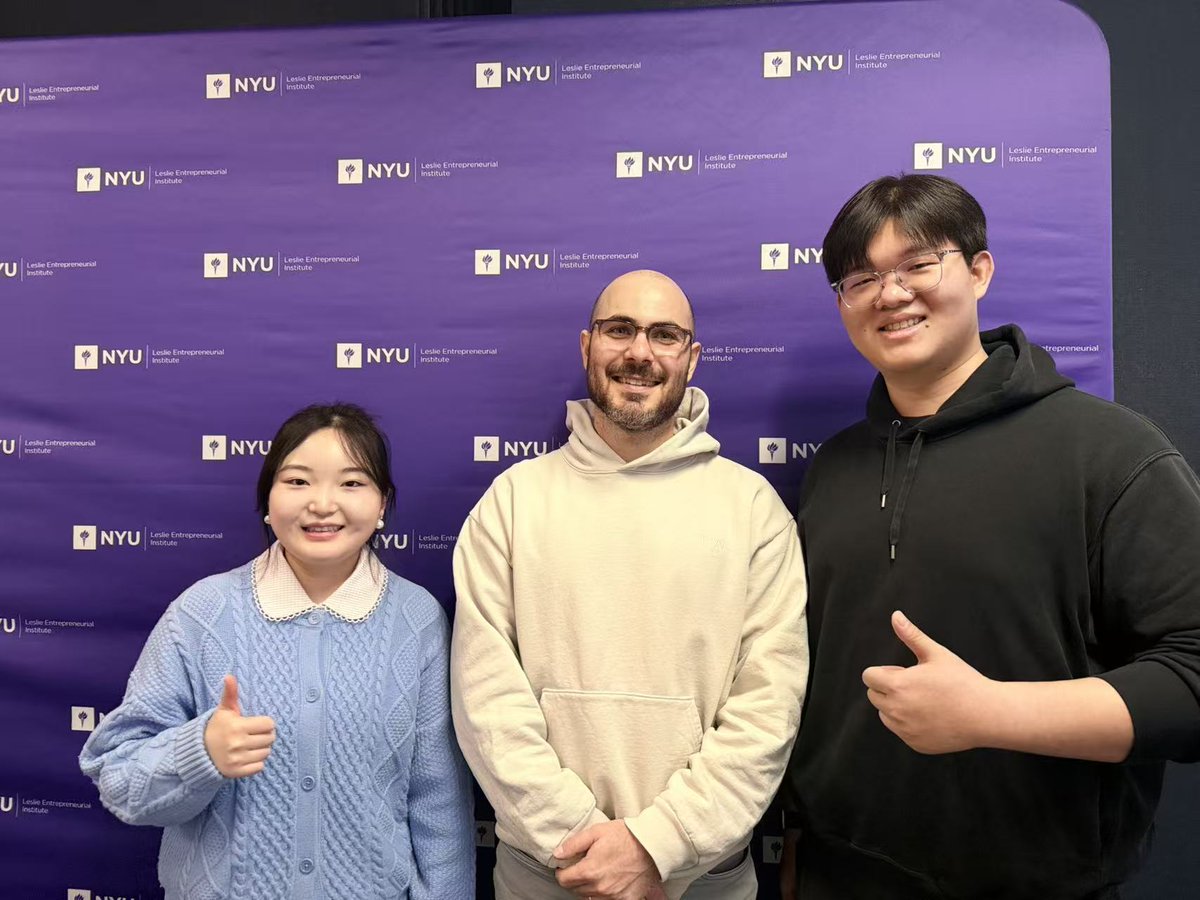
Real moments from building, moderating, and showing up.
Get in Touch
— or need someone who can — let's talk.